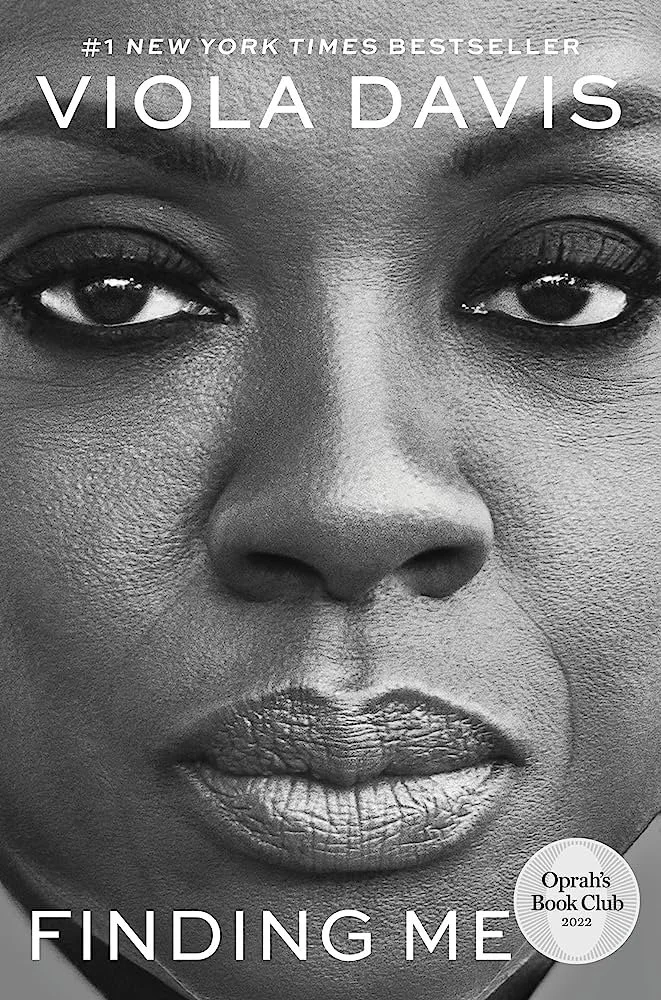
Memoirs written by actresses aren’t the usual type of book toward which I normally gravitate. But boy am I glad that I read Finding Me by powerhouse Viola Davis. What an incredible, inspirational story she has written.
All in Non-fiction
Memoirs written by actresses aren’t the usual type of book toward which I normally gravitate. But boy am I glad that I read Finding Me by powerhouse Viola Davis. What an incredible, inspirational story she has written.
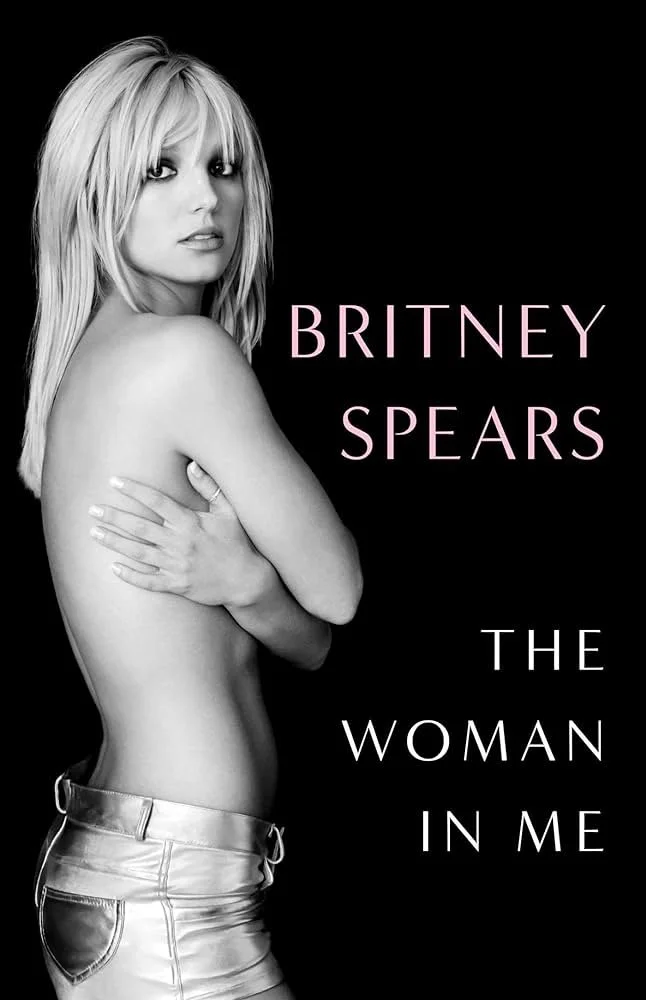
Rarely do I read a book that I enjoy, but can confidently tell my mother, “I don’t think this one is for you.” Britney fandom is a prerequisite for reading this book, because otherwise, it’s just a moderately repetitive memoir with a whole lot of trauma. To make it through, the reader should have a special emotional connection we all form with certain musicians whose lyrics speak to us in our early teens.
In his intro to this massive tome, Barack Obama mentions how, as he began the project of writing a memoir about his time in office, the size of the book grew and grew until he had to split it into two books. Reading it then I thought, "Oh, so the first part must be Dreams From My Father," which I had read and enjoyed. But as I reached page 600, and he hadn't finished describing his first term in office, I realized there is another tome to come that will cover his re-election and second term. I am going to be honest with you all, I will not be reading it.
I so appreciate my friend Ellen recommending that I read this completely captivating, non-fiction book about “unforgettable encounters during life’s final moments” (book’s subtitle). I don’t think it’s a book I would have picked up on my own, but it is an amazing read.
My second book recommendation is The Happiness Project, by Gretchen Rubin. After setting out to identify those things that made her happy but which she never had time for, Rubin spent a year cultivating and tracking behaviors that would result in her happiness.
First is The Gifts of Imperfection, by Brene Brown. Brown offers straightforward advice on how we can enhance our sense of worthiness and cultivate compassion – two essential factors in happiness. She then explores ten behaviors that get in the way of happiness and how to work to eliminate those behaviors.
I thought Michelle Obama’s first book Becoming was absolutely wonderful. (Read review here.) So, I am quite sure that when I realized she’d written another book, I would have bought it pretty quickly. I’m baffled as to why it took me until now to read it. If you haven’t yet read The Light We Carry, treat yourself and read it sometime soon.
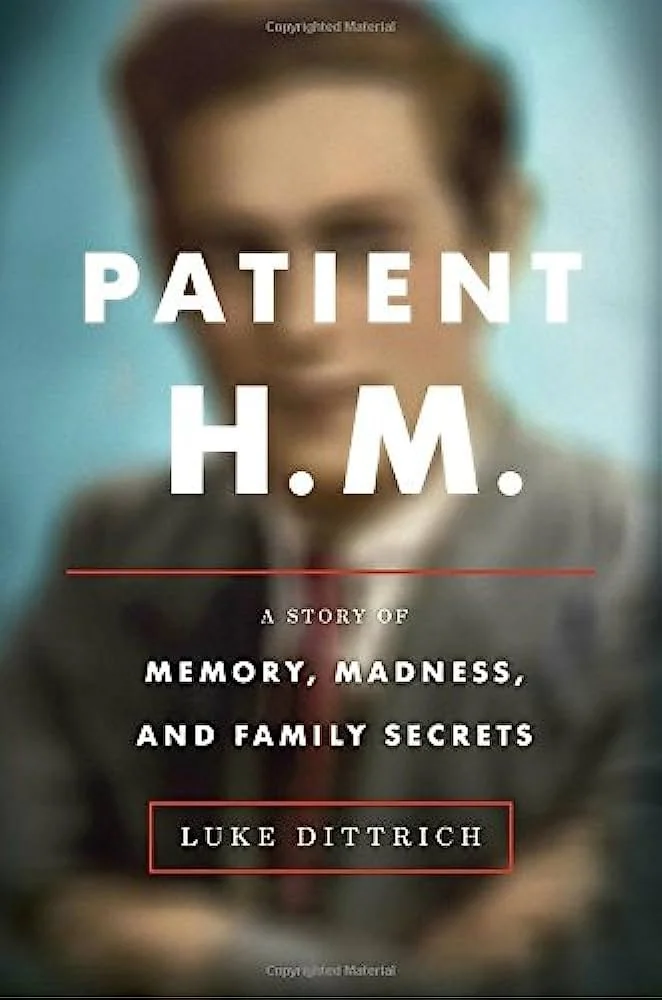
I have always found psychology fascinating and majored in developmental psych, along with theatre, in college. So diving into Patient H. M., I felt excited to learn through the study of lobotomies more about how our memories work.. I am thrilled to report, however, that this book delivers so much more. It reminds me of Hidden Valley Road (read review here) in how cleverly it weaves personal narrative with psychological history and current scientific fact.
n my non-fiction round-up last month, I mentioned a few books that were difficult to read, but worth it (read round-up here). Just Mercy is an incredible, but devastating addition to that group. You may have seen the 2019 movie starring Michael B Jordan and Jamie Foxx, but I honestly can't imagine the degree of nuance and context that must have been lost in a two-hour movie. And let’s be honest, if you’re an L&L subscriber, I’m sure you’d read the book first anyway!
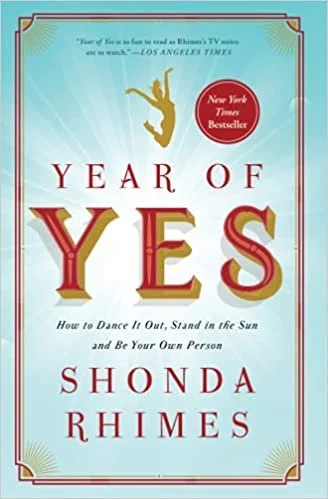
Whenever my mom or I review a non-fiction book, we comment on the rarity of the genre appearing on our reading lists. And yet somehow, of the last 11 books I’ve read, seven were non-fiction! Year Of Yes I reviewed in November (read review here). But rather than choosing just two books to share with you this month, I’ve written a rapid-fire round-up and hope to spark more non-fiction interest on your reading list.
Just Kids was a surprise hit for me since I didn't really know that much about Patti Smith. Smith's autobiography focuses mainly on her relationship with Robert Maplethorpe, about whom I also knew very little.
Frazer creates masterful, sweeping surveys of women in history and Warrior Queens is no exception. She starts with Queen Boudicea from 1st century Britain and builds her case from there all the way through to Indira Gandhi and Margaret Thatcher.
This gorgeous, dark, difficult book was well worth the read. With prose-like poetry, Hartman weaves stories of Black women around the turn of the last century who don’t fit the mold or keep their heads down together with stories on how society punishes them.
In this memoir we have another very funny television personality as the author. Shannon had some very difficult moments in her life, which made this book a much tougher read than I anticipated.
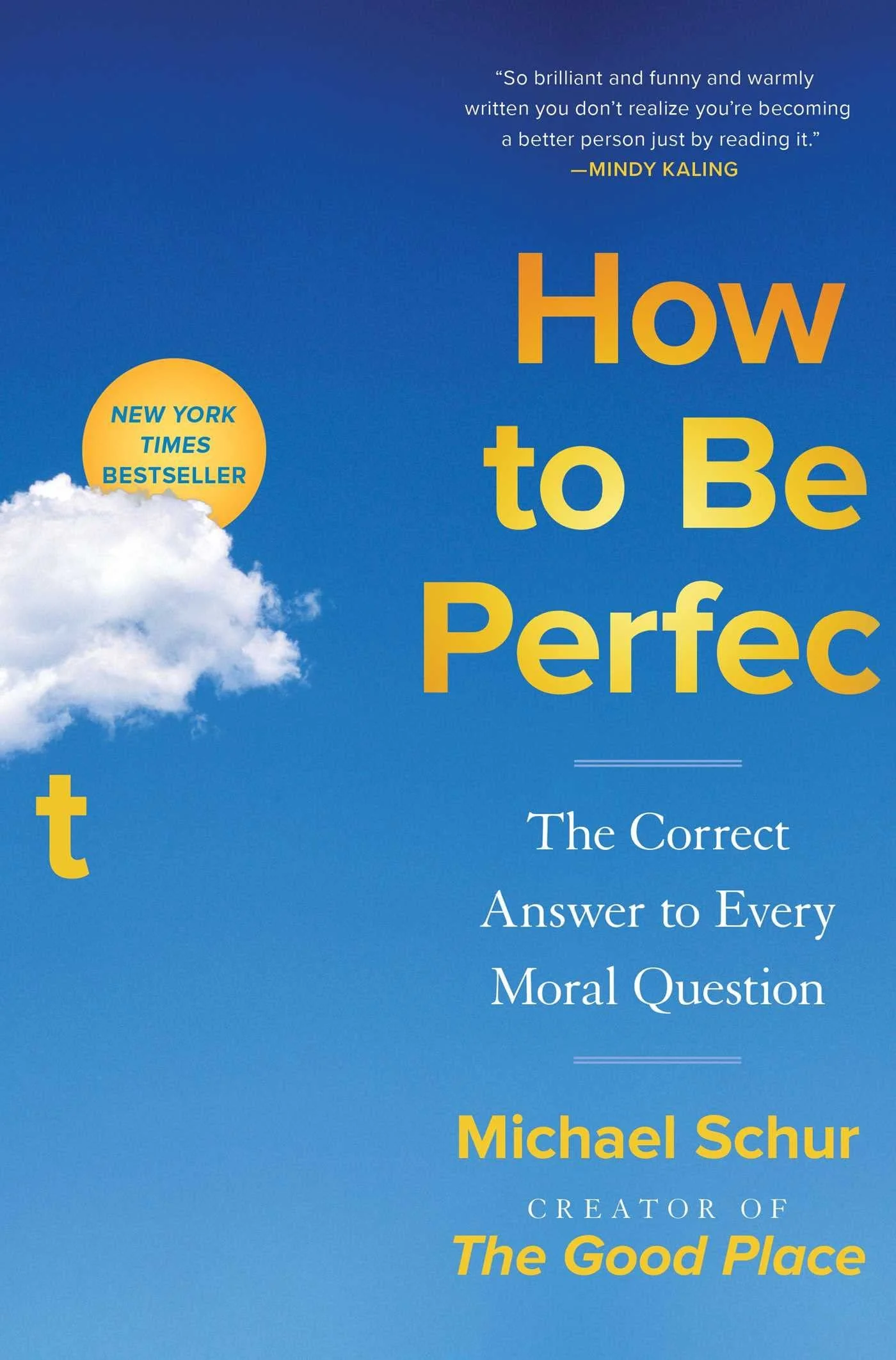
Written by the creator of NBC’s The Good Place, this book is both very funny, and taught me the history of moral philosophy. More than that, it gave me a framework of how to approach everyday and extraordinary decisions from a moral point of view.
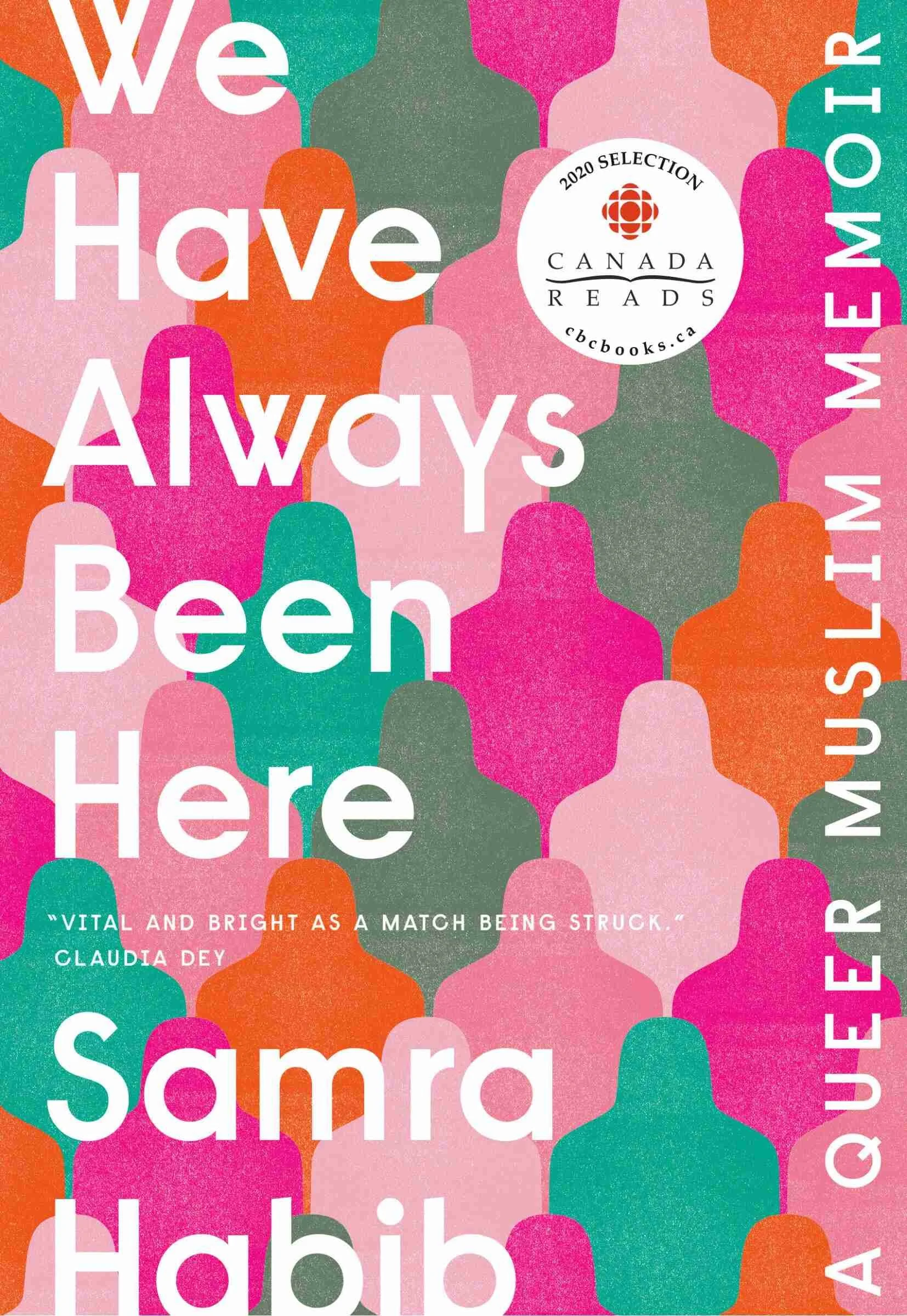
Samra Habib is an Ahmadi Muslim who spent her early childhood in Pakistan before fleeing persecution with her family and settling in Toronto. As a young teen in Canada, Habib faces huge challenges from bullying to being the sole translator for her parents as they navigate a whole new bureaucracy.
For those who don’t know, Shonda Rhimes is the creator and head writer of several of the most popular TV shows of the last 15 years: Grey’s Anatomy, Private Practice, Scandal and How To Get Away With Murder. In addition, her production company Shondaland produces many other shows, including the smash hit Bridgerton. On top of that, she’s a Dartmouth grad, and for all of these reasons, I love her.
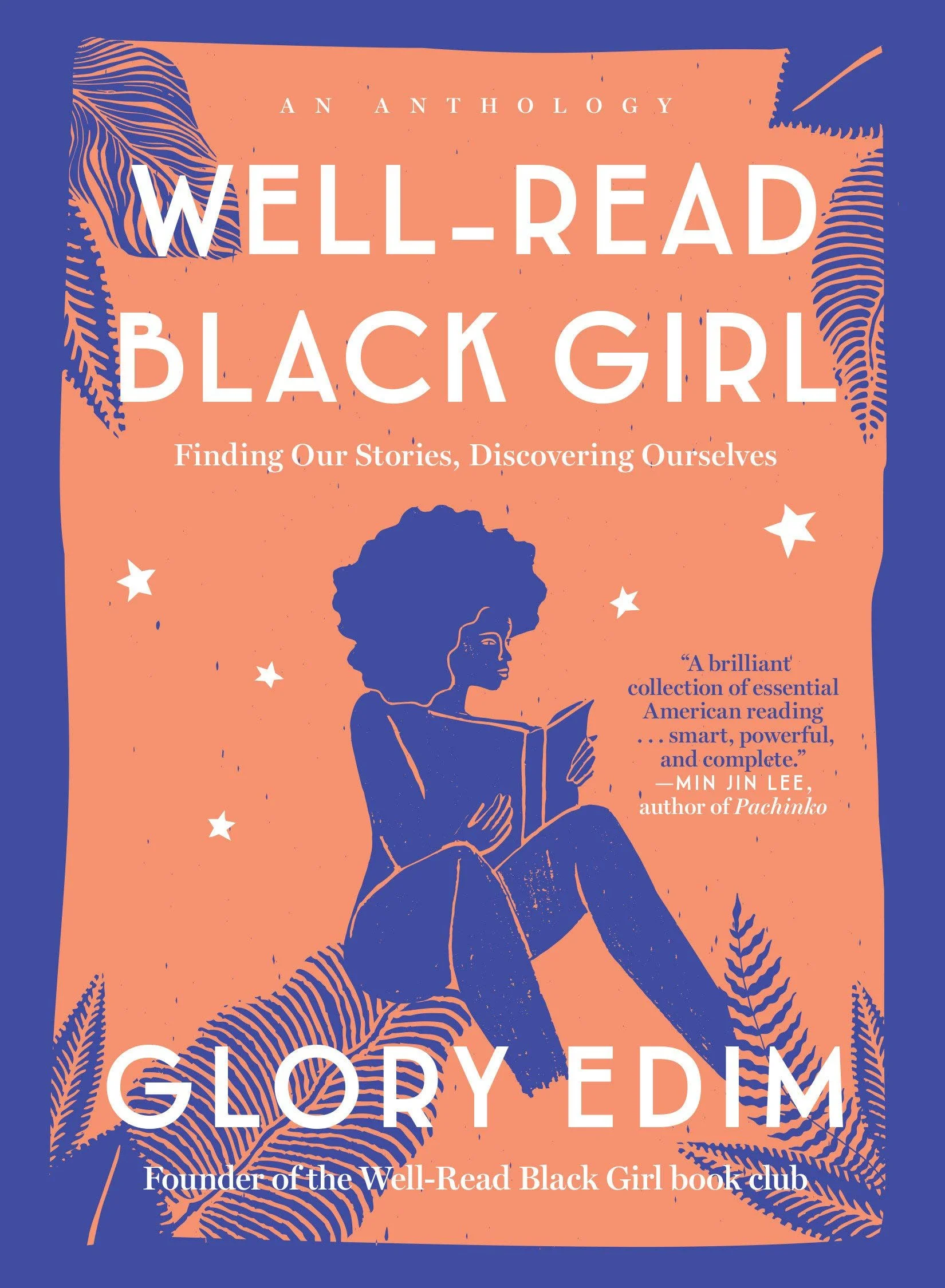
This collection of essays by Black women authors, poets and activists is about reading, books and how seeing themselves represented by a character or author changed the way they saw themselves. Naturally, many of the contributors cite Toni Morrison, Maya Angelou, Zora Neale Hurston and Alice Walker–all of whom I encountered as a high schooler at the Winsor School. I have now committed to revisiting them as my memory of these classic writers is hazy at best.
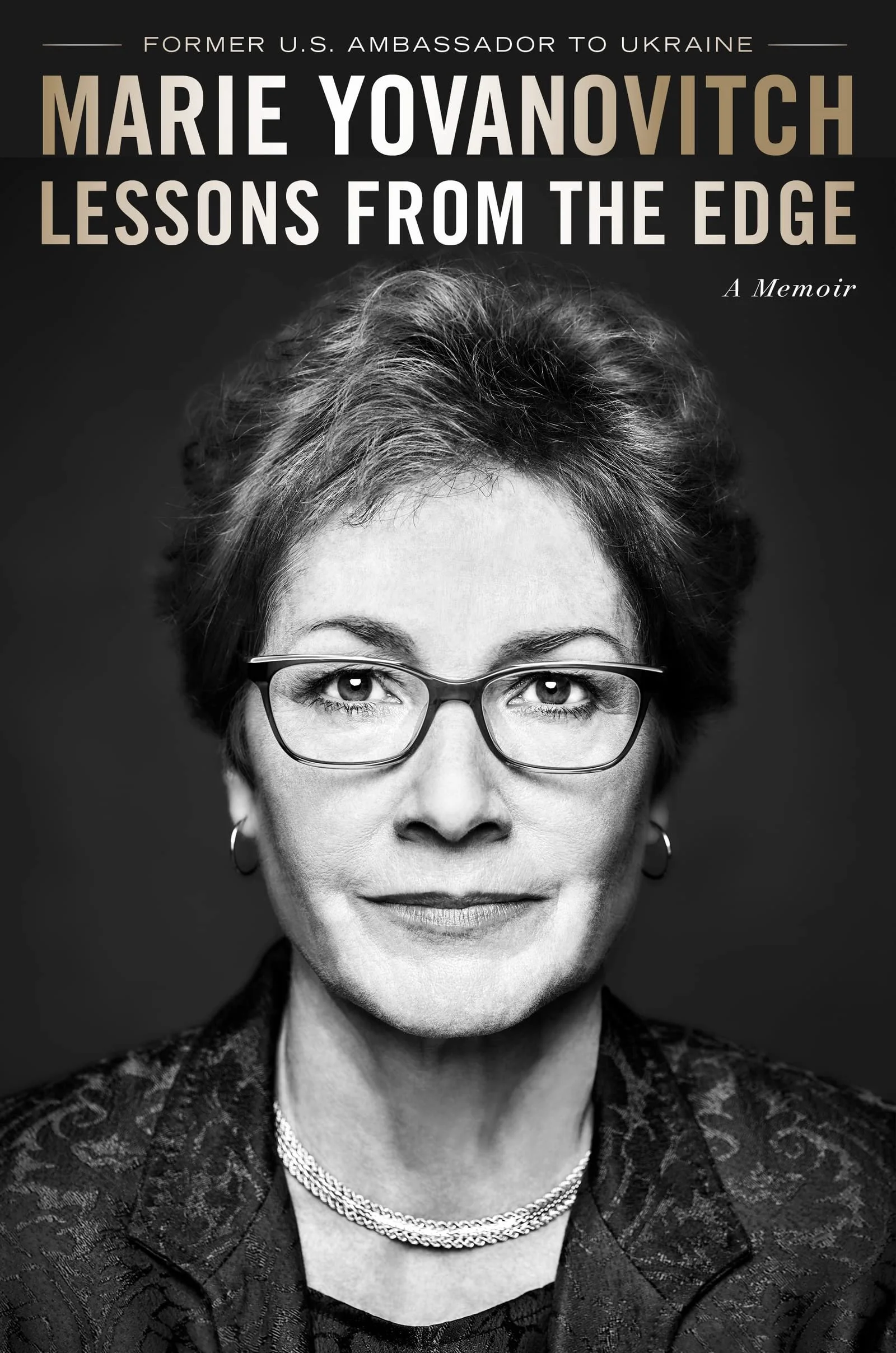
Lessons From the Edge provides another perfect example of why I love being in a book club. I would never have read this book on my own. But because it was a selection for my Boston Bates Alumnae Book Club, I read it and found it fascinating.
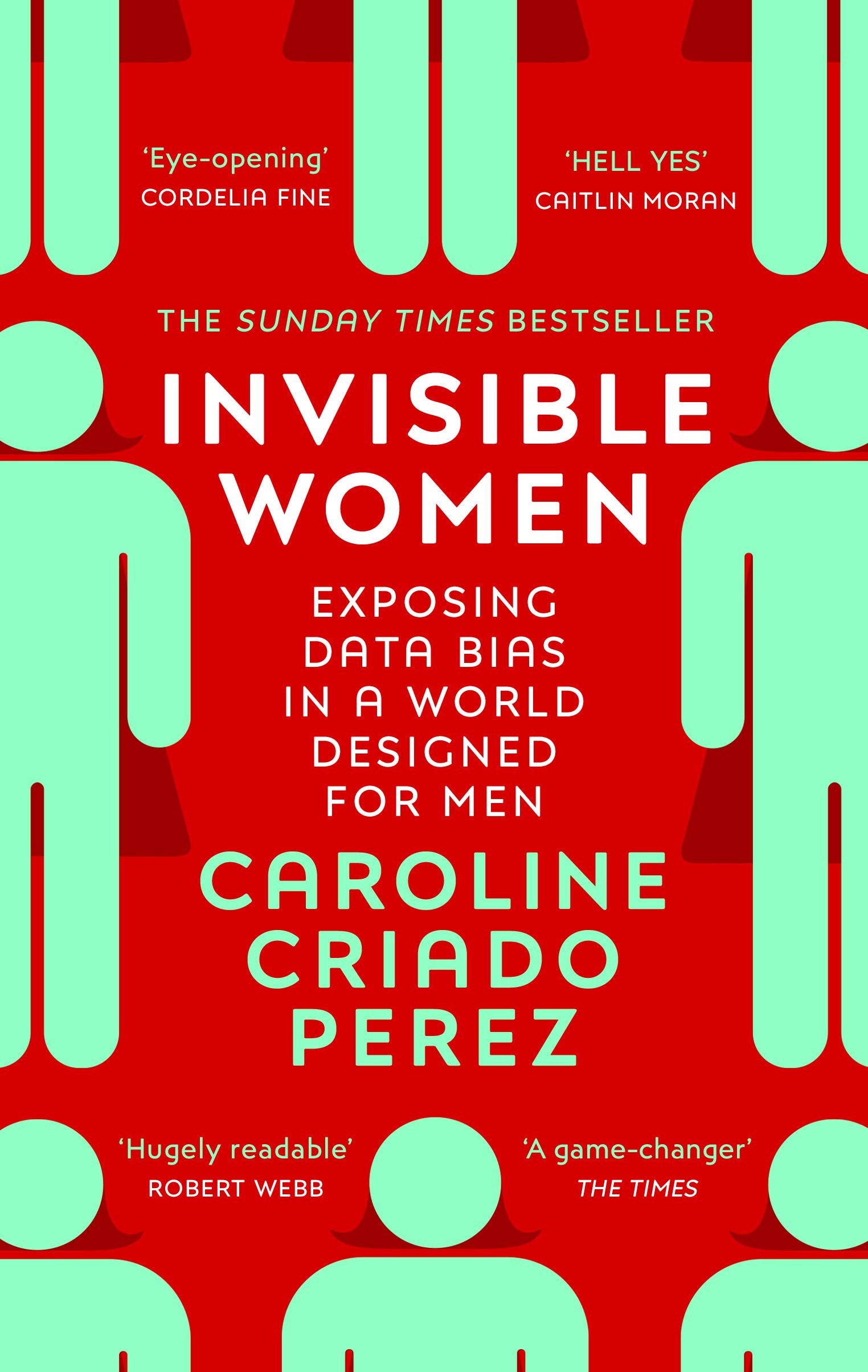
Invisible Women delivers on the promise of its title and will open your eyes to the millions of tiny (and sometimes enormous) ways in which women are left out of the functional design of our world today. It is a very statistics-heavy book and the ultimate conclusion is right there in the title, but the details are shocking and myriad.