ORYX AND CRAKE; THE YEAR OF THE FLOOD; and MADDADDAM
by Margaret Atwood
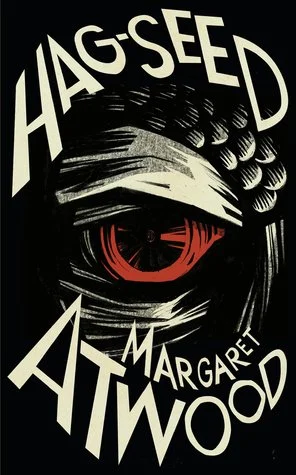
With an author as prolific as Margaret Atwood, I know it’s unlikely I’ll ever read her complete works. And although she is Canadian literary royalty, I hadn’t picked up one of her books in a long time. So when I came across The Year of the Flood in a little free library, I grabbed it, only to discover it was book two of a trilogy! So after procuring the other two books from our local library, I dove into a disturbing and absolutely riveting world that I will not forget for many years to come.
The first two books, Oryx and Crake and The Year of the Flood, are set simultaneously, told from a few different points of view. In Oryx and Crake our narrator is Snowman, formerly known as Jimmy, who might be the last human to have survived on earth. He is the shepherd to a group of human-like creatures known as the Crakers who eat only leaves, have built-in bug and sun protection, and can heal wounds by purring among other strange but well-adapted traits. As Jimmy’s supplies dwindle, he examines his past and we get his version of how the human race went from bad to gone.
The Year of the Flood has a similar before-and-after structure but follows two women, Toby and Ren, who have somehow also survived the plague-like demise of the human race. Their backstories overlap when they are both members of a religious group known as God’s Gardeners who strive to live in harmony with the environment and prepare for the imminent implosion of the human vs. earth conflict. Maddaddam picks up where the previous two books end and carries on the story of survival post-apocalypse. I can’t say much more without spoiling the first two books, but Maddaddam is as wild and full of adrenaline as the first two.
I find it absolutely fascinating to think about how Atwood’s horrific vision for the future of humanity was written in 2003, 2009 and 2013, respectively. She warns against using up environmental resources without regard for how they might be replenished, which is something that has only gotten worse in the past two decades. But she also conjures a world divided into walled compounds where life remains “normal” for the people working and living within, employed by the big corporations; while everyone else is in the chaos and danger of “the pleeblands” where violence and hunger are the norm. She also conjures a secret police, run by the corporations and enforced by control of weapons and unrepentant violence.
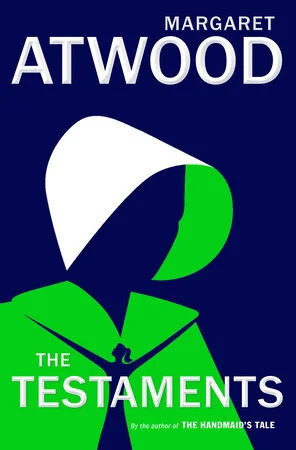
What makes Atwood’s books spookily prescient, and I would include The Handmaid’s Tale in this, is not the detail of her vision per se, but that she has predicted some of the most poisonous and alarming trends of how people behave toward one another and the consequences if that behavior continues unchecked. So while this trilogy was stressful and at times quite disturbing to read, it was also thrilling, expertly written and a good reminder to appreciate and preserve the things we value in our lives today. (Lily)